The situation
In 2017, the App Store had a discovery problem that looked like a technology problem. Two million apps, a search bar, an algorithm, and a growing sense that the best apps were invisible. Google Play was doubling down on machine learning. Every competitor assumed the answer was a better recommendation engine. Apple made a different bet: put a human in the room. Not as a filter on top of the algorithm — as the product itself.
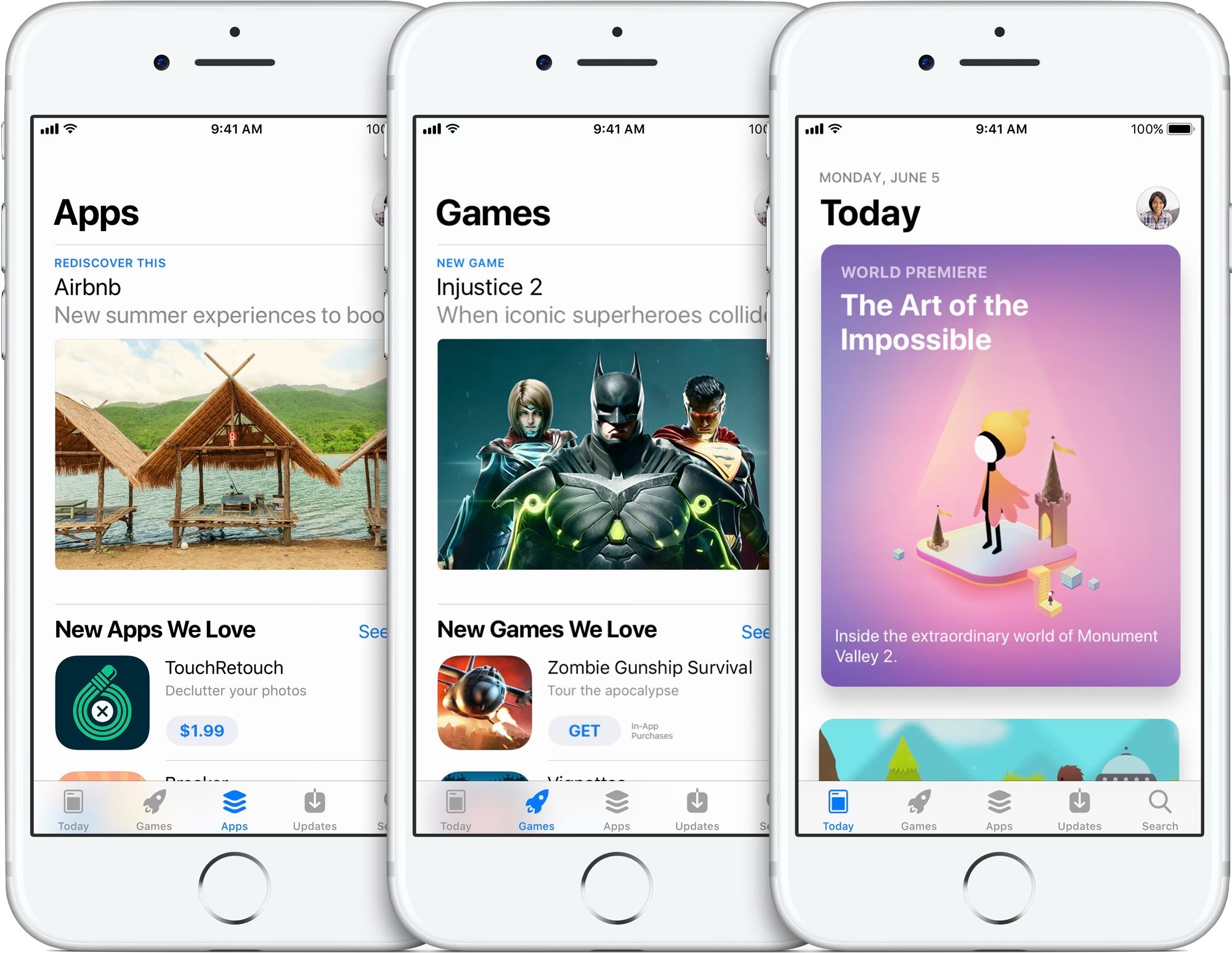
The App Store redesign replaced algorithmic featuring with a fully editorial experience. The Today tab — a daily, curated front page — became the centerpiece. I was on the founding editorial team that built and launched it.
The insight
Everyone understood we were building a content surface. I saw something else: we were building a positioning engine.
Every Today story was a positioning exercise disguised as editorial. "App of the Day" wasn't a review — it was a claim about what matters right now. A meditation app during back-to-school. A photography tool when new camera hardware shipped. Each editorial choice answered the same question a PMM answers every day: why does this matter to you, right now, in this context?
No one called it positioning. They called it editorial judgment. But the muscle is identical — and I was building it before I had the vocabulary for what it was.
What I built
An editorial infrastructure that made taste operate at global scale
Daily publishing across Mac, iPhone, and iPad — each with its own editorial calendar, because the same app serves different jobs on different devices. A photo editor on iPhone is a creative impulse. On iPad, it's a professional workflow. On Mac, it's a production tool. Same app, three positioning stories. I built the cross-functional process connecting writers, designers, business affairs, and localization into a system that could make those distinctions every day, across every market.
A feature launch that had to work from day one
The Today tab shipped to a billion devices simultaneously. No soft rollout, no A/B test on the editorial bet. I managed the launch execution — the first wave of stories, cross-platform coordination, and the daily publishing cadence that needed to be running before anyone could evaluate whether it worked.
A curation model that democratized discovery by design
Within the first year, 29% of featured publishers had fewer than 10,000 downloads. That's the system working as intended. Algorithmic featuring rewards momentum. Editorial featuring rewards quality. I helped build the process that made quality discoverable at scale.
Results
The Today tab became the highest-engagement surface in the App Store — and it stayed editorial. Not as a phase before the algorithm took over, but as the permanent product.
Seven years later, Google Play announced its own pivot to human curators — essentially validating the approach Apple shipped in 2017. By 2026, with AI-generated content flooding every platform, human curation isn't Apple's quirky preference. It's the premium feature the entire industry is scrambling to build. The system I helped build is still running. The muscle I built doing it became the foundation for everything that came after.
What this proves
I recognize the strategic value of a bet before the market catches up to it — and I build the system that makes it hold. On this one, that meant seeing editorial curation not as a content function but as a positioning engine, and building the infrastructure that let human judgment operate at platform scale — seven years before the industry proved the thesis right. I don't wait for the playbook. I build the thing the playbook gets written about.